Holidays and Traditions
with ORO VALENTIO
The Power of Tradition
The word holiday comes from the Old English hāligdæg—literally meaning “holy day.” Long before it came to mean a day off or a celebration, it referred to days set apart: times of reverence, reflection, and connection. That original meaning still matters. In a world that moves fast and forgets easily, marking certain days with intention helps us remember what’s sacred—what’s worth pausing for, gathering around, or passing on. Whether rooted in faith, family, or cultural memory, these days create rhythm in our lives and give shape to the year. Here, we explore both holidays and holy days—festivals and fasts, quiet rituals and joyful traditions—all offering space to reflect, reconnect, and re-center on what endures.

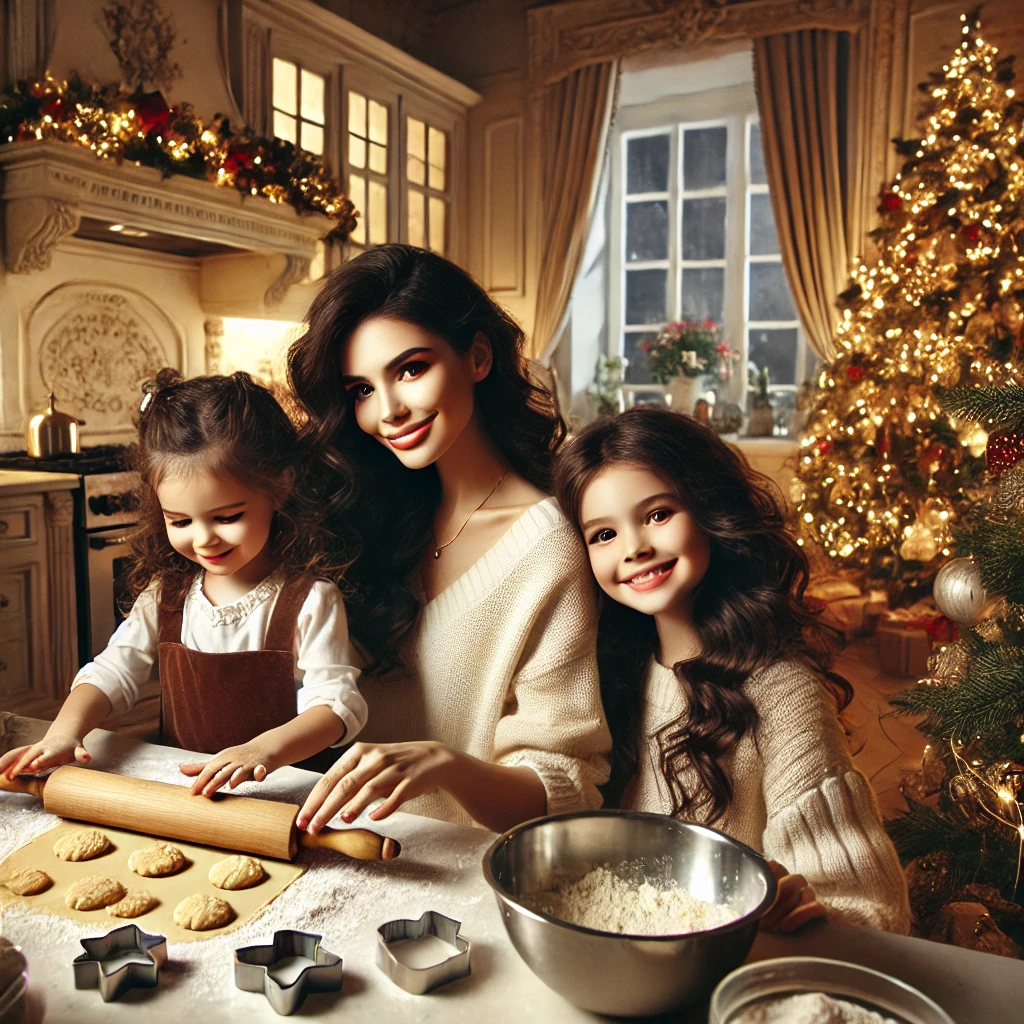
Every household—whether consciously or not—cultivates its own culture
Holidays are one of the most tangible expressions of tradition. They return to us year after year, not just to mark a date on the calendar, but to remind us who we are, what we value, and where we come from. Whether celebrated quietly or with great festivity, holidays carry inherited rhythms—rituals, foods, stories, and symbols—that connect generations and root us in something larger than ourselves. In observing them, we participate in a shared memory and help pass it forward. They offer continuity in the midst of change, anchoring families and communities in practices that nourish the spirit, foster belonging, and gently shape the culture of a home over time. When honored with care, holidays become more than celebrations—they become formative traditions that link the past to the present and quietly shape the future.
In a world that moves quickly and forgets easily, tradition offers something radically different: roots. At its best, tradition is not about rigid repetition or clinging to the past for its own sake. It is about choosing, with intention, what is worth carrying forward—what shapes us, grounds us, and gives meaning to our lives.
Every household, every community—whether consciously or not—cultivates its own culture: a collection of rhythms, rituals, values, and habits that form the framework of daily life. Tradition is one of the most powerful ways this culture is expressed and preserved. It’s not about blind imitation, but about remembering what has proven true, nourishing, and stabilizing across generations.
Traditions offer more than sentiment. They shape the way we experience time, relationships, and even ourselves. Shared meals, seasonal rituals, meaningful celebrations, or quiet daily practices—these aren’t trivial routines. They are formative. They give children a sense of belonging, offer adults perspective, and build a shared language of memory and meaning that holds people together when life feels scattered or uncertain.
Far from being relics of the past, traditions—when chosen with care—become anchors. They slow us down. They invite us to pause, to reflect, to celebrate, to grieve well, and to give thanks. In this way, tradition becomes not a constraint, but a quiet act of freedom: the freedom to resist the noise of the moment and live according to something deeper.

Tradition also creates boundaries and order that allow the human spirit—and the family—to flourish.